

Care Homes in Cannock and Staffordshire: How to Choose the Right Care
Finding a suitable care home involves more than comparing locations or facilities. Families need to understand what support their loved ones require, which care services can provide it and how to assess whether a home is equipped to meet those needs.
For anyone researching care homes in Cannock, Stafford or elsewhere in Staffordshire, knowing what to look for can make the process more manageable. This guide explains the main care options, how assessments work, what to check during visits and where to find reliable information before making a decision.
When Is It Time to Consider a Care Home for a Loved One?
A move into residential care may become worth considering when someone's support needs can no longer be met safely or consistently at home. This does not necessarily mean they need constant medical attention. They may need regular help with personal care, meals, medication, mobility or everyday activities.
Changes can develop gradually. Someone who previously managed independently might begin struggling with household tasks, forget important medication or experience falls. A person living with dementia may need increasing supervision, while someone with a complex health condition may require more consistent support than relatives can provide.
Before deciding that a care home is necessary, consider whether other arrangements could meet the person's needs. Home care visits, adaptations, assistive equipment or support from community services may help some people remain at home.
It is also important to consider the wellbeing of family carers. If providing care is affecting their own health, sleep or ability to manage daily responsibilities, additional support may be needed.
A useful starting point is a care needs assessment through the local council. In England, this assessment considers how a person's health and circumstances affect their ability to manage everyday life. It can help identify suitable support, whether that involves services at home or residential care.
How Do You Choose the Right Care Home for Your Loved One?
Once the likely type of care is clearer, the next step is to establish which providers can meet the person's needs. A home's suitability depends on more than its general reputation or proximity to family.
Consider the person's current care requirements, medical conditions, mobility, communication, personal preferences and any support they may need in the future. If health professionals are involved, ask whether they can clarify the level of care likely to be required.
It is also worth checking whether the home can manage specific needs. These might include assistance with moving and handling, support during episodes of distress, complex medication arrangements or specialist equipment. Do not assume that every home offering nursing or dementia care can support every condition.
Ask how care plans are developed and reviewed. A care plan should reflect the individual's needs, abilities, preferences and risks. It should also be updated when their circumstances change.
Other practical considerations include travel time for visitors, visiting arrangements, access to outdoor space and opportunities to maintain hobbies or relationships. These factors can affect how well a person settles into a new environment.
If two homes appear suitable, compare the actual support each can provide rather than relying on a simple checklist of facilities. The best fit is the provider that can demonstrate how it will meet the individual's needs.


What Should You Look for When Visiting a Care Home?
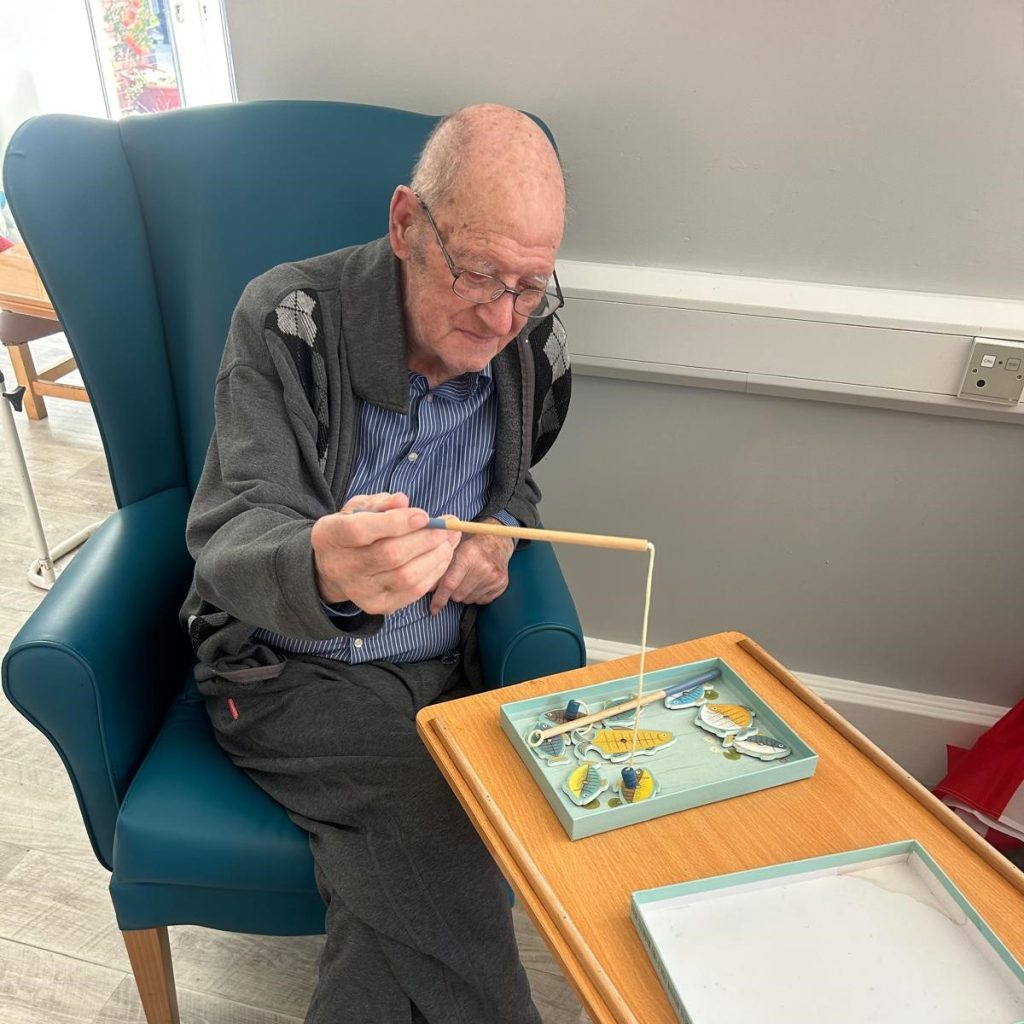
A visit helps you understand how a care home operates beyond its website or brochure. Arrange a tour and, if possible, take someone with you so you can discuss your impressions afterwards.
Start by observing how staff interact with residents. Do they communicate respectfully, allow people time to respond and appear attentive to requests for help? Notice whether residents are treated as individuals rather than everyone following the same routine.
Ask to see the areas residents use, including bedrooms where possible, shared spaces and outdoor areas. Consider whether the environment is accessible for your relative and whether it offers appropriate opportunities for privacy and social contact.
The daily organisation of care is just as important as the physical environment. Ask how the home accommodates individual routines, dietary requirements, cultural preferences and activities. If your relative has particular communication or sensory needs, find out how staff adapt their approach.
You should also ask how the home responds to changes in a resident's health, including when medical advice is needed and how families are informed. The answers should explain what happens in practice, not simply confirm that policies exist.
How can you check a care home's inspection record?
In England, the Care Quality Commission regulates registered health and adult social care services. Its website publishes information about providers, including inspection reports and regulatory findings.
Search for the individual home on the CQC website. Read the report rather than looking only at the overall rating. Consider what inspectors found about safety, staffing, leadership and the quality of care, and check the date of the inspection.
A rating is useful evidence, but it should not be the only factor in your decision. Combine the published information with your own questions and observations.
What Questions Should You Ask Before Choosing a Care Home?
After visiting a shortlist of homes, you may need to clarify details that are difficult to establish from a website or inspection report.
These questions can help:
- Assessment: What information and assessments are required before admission?
- Care planning: How are residents involved in decisions about their care?
- Staffing: How is staff cover organised during the day and overnight?
- Health needs: What happens if a resident needs medical attention or their condition changes?
- Communication: How and when are relatives informed about significant changes?
- Fees: What circumstances could lead to additional charges or a change in the weekly fee?
- Complaints: Who should residents and families contact if they are unhappy with the care provided?
- Admission: What documents, medical information and practical arrangements are needed before moving in?
The answers should help you identify any gaps between the person's needs and the support the home can provide. If something is unclear, ask for written information or clarification before making a decision.
You do not need to settle every detail during the first visit. Taking notes and following up afterwards can help you compare providers more objectively.


Frequently Asked Questions
Can someone be made to move into a care home against their wishes?
Adults generally have the right to make their own decisions if they have capacity. If they lack capacity for a specific decision, the Mental Capacity Act 2005 sets out how decisions must be made in their best interests.
Can I arrange a trial stay before choosing a care home?
Some care homes offer short-term or respite stays. Contact the provider to check availability, costs and admission requirements.
What is the difference between a care needs and financial assessment?
A care needs assessment identifies the support a person requires. A financial assessment determines whether they qualify for help with eligible care costs.
Can family members be involved in care decisions?
Yes, with the resident’s consent where appropriate. If the resident lacks capacity for a particular decision, relatives may be consulted, but they do not automatically have legal authority to decide on their behalf.
How Can You Find the Right Care Home in Cannock?
Choosing a care home is a process of matching an individual's needs with the right level of support. A clear assessment, careful comparison of services, a visit and a review of inspection information can help families make a more informed decision.
For families considering specialist care in Cannock, Needwood House Care Home provides complex nursing care, specialist dementia care and mental health care. Its care overview explains the services offered.
If you are considering Needwood House, you can contact the team to discuss your relative's circumstances and establish whether the home may be suitable. It is worth gathering information from more than one appropriate provider so that your final decision reflects the care your loved one needs.